Ledger Login: A Complete, Human-Friendly Guide to Accessing and Protecting Your Ledger Wallet
For many people taking their first steps into self-custody, the idea of “logging in” to a Ledger wallet can be confusing. We’re used to apps and websites that ask for passwords, email verification codes, biometric scans, or two-factor authentication. But Ledger doesn’t function like that at all. There is no login page, no password reset button, and no account stored on a server somewhere.
Instead, you are the account.
Your hardware device, your PIN, and your 24-word recovery phrase form the entire access system. Nothing exists online that identifies you. Nothing can be reset by customer support. Nothing can be recovered from a cloud backup.
This guide explores the concept of ledger login from the ground up — what it really means, how it works, why it matters, and how to use it safely. Whether you’re holding your first tiny amount of crypto or maintaining a diverse portfolio, understanding this login structure is essential to staying secure.
The True Meaning of “Ledger Login”
Let’s clear one thing right away: there is no Ledger login portal online. You cannot go to a webpage and type in a username. Ledger doesn’t operate like an exchange (where your crypto sits in someone else’s wallet). Instead, Ledger is a self-custody system, which means:
Your private keys live inside the hardware device
Your accounts are generated locally
Nothing connects to a cloud server
Access requires physical interaction, not a website
So when people say ledger login, they’re referring to:
Unlocking the Ledger hardware device with a PIN
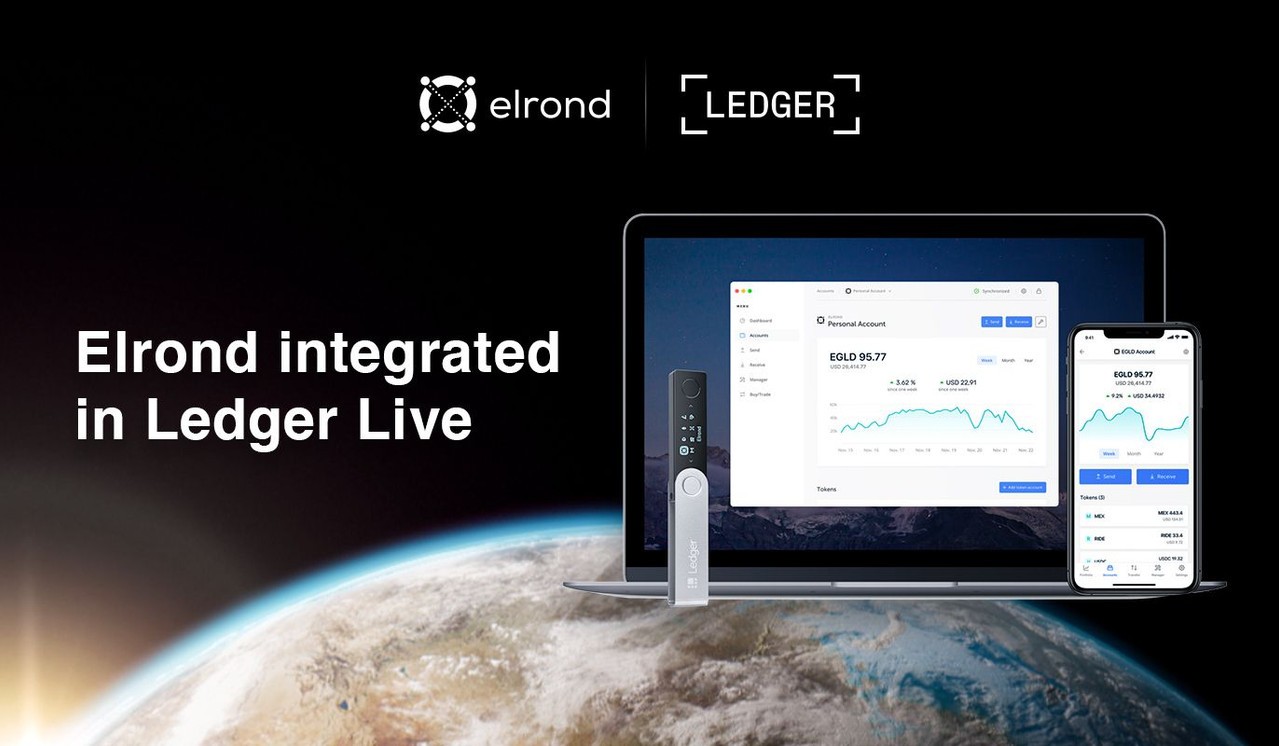
Opening Ledger Live
Letting the device and app authenticate each other
Approving actions physically on the device
This replaces traditional login systems with something far more secure.
Why Ledger Login Works Differently Than Exchanges
To understand why Ledger avoids typical logins, think about how crypto is usually stolen:
Hackers steal exchange passwords
Phishing emails trick users into typing credentials
Malware scans for seed phrases
Cloud accounts get breached
Weak passwords get cracked
Most attacks happen online or through compromised devices.
Ledger’s model eliminates these weaknesses by keeping your private keys on a specialized secure chip, totally offline. Even if you plug your Ledger into a malware-infected laptop, the virus cannot access your private keys.
This separation of “wallet” and “online interface” is the genius of Ledger’s approach.
How Ledger Login Works Step-by-Step
To help you visualize it clearly, here is an everyday login flow:
1. Connect the device
You plug in the Ledger Nano S Plus or Nano X via USB, or activate Bluetooth on the Nano X.
2. Unlock with your PIN
You press the device buttons to enter your PIN.
This is your first layer of login.
3. Open Ledger Live
This is the app that displays your balances and lets you manage assets. The app detects your unlocked device automatically.
4. Ledger Live verifies the device
Ledger Live checks that the device is genuine and untampered.
5. You now have access
You can now:
View accounts
Install coin apps
Manage tokens
Send crypto
Receive payments
Review NFTs
Update firmware
Ledger Live becomes your dashboard, but the real “wallet” always stays inside the device.
Understanding Each Element of the Ledger Login System
There are three core components that define your identity in the Ledger ecosystem.
1. The Hardware Wallet (The Physical Key)
This small device is the heart of your security. It stores your private keys in a safe environment. Nothing leaves the secure chip, and nothing can enter it.
2. The PIN Code (Your Daily Login)
The PIN unlocks the device.
If someone steals your Ledger, they can’t use it without the PIN. After several incorrect attempts, the device wipes itself automatically.
3. The 24-Word Recovery Phrase (The Master Key)
This is the single most important part of your Ledger identity. Anyone who knows it can take your crypto. Anyone who doesn’t know it cannot touch your crypto — even if they hold your Ledger device in their hand.
These three pieces replace traditional accounts, passwords, and 2FA systems.
Your First Time Logging In: What to Expect
If you’re setting up your Ledger for the first time, the login process might feel unusual because it’s nothing like signing in to a bank app.
Here’s what happens:
Step 1 — Set your PIN
Choose a PIN that’s long enough and hard to guess. Avoid patterns like 123456 or repeating digits.
Step 2 — Receive your seed phrase
The device generates a unique 24-word phrase. Write these words down in the exact order and never enter them into any digital device.
Step 3 — Install Ledger Live
Download it on your computer or mobile phone. This is your control center.
Step 4 — Connect and unlock
Ledger Live will recognize your device once it’s unlocked.
Congratulations — your first ledger login is complete. You are now a self-custody crypto user.
Daily Ledger Login Routine: Flow and Feel
Once you’ve used your Ledger for a few days, logging in becomes second nature. Here’s what daily use typically looks like:
You connect your device
You enter your PIN
You open Ledger Live
You manage your assets
You unplug your device
Everything is quick, controlled, and incredibly secure.
Most users log in once every few days to:
Check portfolio value
Move assets to or from an exchange
Stake tokens
Claim rewards
Send funds to friends
Update apps
The key is that nothing — absolutely nothing — can happen without you pressing buttons on the Ledger device.
Where Most Users Go Wrong With Ledger Login
Even though Ledger is designed to be secure, human error can still introduce risks. Here are the most common mistakes users make:
Mistake #1 — Typing the seed phrase into a website
This is the number one cause of stolen crypto worldwide.
Mistake #2 — Storing the recovery phrase digitally
Photos, notes apps, email drafts, cloud drives — all unsafe.
Mistake #3 — Forgetting the PIN
The device wipes itself after a few failed attempts.
Mistake #4 — Using Ledger on an infected computer
While your private keys remain safe, malware can still cause other trouble.
Mistake #5 — Falling for fake Ledger Live downloads
These phishing apps can steal your data.
Mistake #6 — Sharing the seed phrase with “support agents”
Real Ledger support will never ask for it.
Avoid these errors and your security improves dramatically.
Improving Ledger Login Security: Intermediate-Level Practices
Once you’re beyond the beginner phase, it’s time to upgrade your safety habits.
1. Create a secure seed phrase backup system
Use fireproof metal plates or engraved steel. Paper burns, metal doesn’t.
2. Keep your Ledger device offline when not in use
A disconnected wallet cannot be attacked.
3. Separate your crypto computer activities
Avoid installing random software on the system where you use Ledger.
4. Turn off Bluetooth when not needed
If you’re using the Nano X, disable unnecessary connections.
5. Check and verify every address
Always confirm on the device screen, not just in Ledger Live.
6. Update Ledger Live and firmware regularly
Security updates matter.
These habits make your Ledger login process safer and more stable long-term.
Troubleshooting Ledger Login Issues
If you run into problems, don’t panic. Most issues have simple solutions.
Issue 1 — Ledger Live can’t detect the device
Try:
A new USB cable
A different port
Unlocking the device before opening Ledger Live
Reinstalling the app
Restarting your computer
Issue 2 — PIN won’t unlock the device
If you fail too many times, the device resets.
Use your 24-word phrase to restore your wallet.
Issue 3 — Bluetooth not connecting (Nano X)
Toggle Bluetooth, reboot the phone, or clear the pairing list.
Issue 4 — Ledger Live freezing or crashing
Update the app or reinstall it.
Issue 5 — Device stuck on “Processing”
Restart the Ledger device entirely.
Every problem is recoverable as long as you have your recovery phrase.
The Psychological Side of Ledger Login
Many people don’t talk about this, but it’s real. Using a Ledger can feel intimidating. The unusual login process — with no password recovery, no helpdesk access, and no online backup — feels scary.
Common feelings include:
Fear of losing the device
Fear of misplacing the seed phrase
Stress when entering the PIN
Anxiety before sending transactions
Worry about hardware failure
These emotions ease with practice.
Once you understand the system deeply, confidence replaces fear.
Why Ledger Login Improves Your Financial Freedom
Learning how to use and secure a Ledger device isn’t just a technical skill — it’s a form of financial empowerment.
Here’s why:
You control your keys
You control your access
You control your recovery
You control your security
You are no longer dependent on exchanges, platforms, or customer support teams.
Your crypto becomes truly yours.
This level of freedom comes with responsibility — and the login process is part of that responsibility.
Advanced Ledger Login Tips
Once you’re a comfortable user, here are advanced techniques:
1. Use two Ledger devices
One for daily use, one as a backup wallet.
2. Create multiple accounts
Separate long-term holdings from active trading assets.
3. Use passphrases for added protection
A passphrase acts like a 25th word, creating a hidden wallet.
4. Integrate Ledger Login with DeFi apps
Connect Ledger to Web3 platforms for secure decentralized finance access.
These tools expand what you can do while staying protected.
The Future of Ledger Login
The login experience will evolve while keeping core security intact. Expect:
Smoother pairing
More intuitive interfaces
Stronger scam warnings
Better mobile support
Enhanced recovery tools
Biometric assistance on the app side (without compromising offline keys)
One thing will never change:
Your private keys will always stay offline.
Frequently Asked Questions (FAQ)
1. Is there a Ledger login website?
No. Ledger does not offer a website login. Everything happens through the hardware wallet and Ledger Live.
2. What if I lose my Ledger device?
You can restore your wallet on a new device using your 24-word recovery phrase.
3. Can someone access my crypto without my PIN?
No. The device cannot be used without the PIN. After several incorrect tries, it wipes itself.
4. Is Ledger Live required for login?
Yes, it is the interface you use to manage your wallet, but the actual keys never leave the hardware.
5. Should I ever share my recovery phrase?
Never. This is the master key. Anyone who knows it can empty your wallet.
6. Why does Ledger login feel slower than hot wallets?
Because every action requires physical confirmation. This protects your crypto from remote attacks.